

The coffee I was having triggered a memory. I was at a beachside café with my team. As I took the first sip, I time-travelled to 2022, to our first-ever in-person morning Sync-up after the pandemic. I was curious & a bit nervous then, unsure how this idea of a workcation would go.
Three years later, that nervousness is long gone. Workcation became a huge hit in its debut year. Now, everyone looks forward to it to bond with peers over a cup of coffee in a cool Himalayan hill station, in a historic city in Rajasthan or from the coasts of the Andamans.
Hybrid or remote work is nothing new in the IT industry. But Pandemic changed everything. It created distance – physical, mental, and, most importantly, psychological.
During the Pandemic, remote working tools evolved dramatically, all thanks to technological advancements, and large-scale experimentation (though forced upon). Work continued. Productivity targets were met. But, we the HR professionals, wondered if the team that delivered were in it together? One big alarm was the high attrition rates. It pointed out something was amiss, something deeper was breaking.
That’s when the idea of a workcation popped.
Why we chose Workcation?
The need to rebuild trust and culture was stronger than ever. But how do we foster trust, creativity, and camaraderie in a world of Slack threads and Zoom or Teams meetings? How can teams who only meet online find joy, connection, and a sense of togetherness, without compromising accountability?
The writing was on the wall: bring everyone back to the office. After all, physical proximity has always been a proven formula, and we don’t deny that.
But we wanted an alternative. We wanted to transcend distance barriers and create teams that could work remotely yet thrive through shared experiences.
We began sending our teams to destinations of their choice, where they could stay and work together for a week, blending work with fun, and structure with spontaneity. A beach resort in Goa, a mountain retreat in Manali, an adventure in Shillong, or a stroll through the historical lanes of Udaipur, our teams have done it all. And the results have been truly transformative.
Why Workations work well, especially for remote teams?
We send more than 50 teams to their workcations each year. Then, we talk to them to understand what went well and how workcation helps them to stay connected. Five themes emerged:
Teams bond beyond tasks
In a work setup, an online call is almost always about a task. It’s efficient, but it rarely creates a real connection. During workcations, however, team members share meals, travel together, and have spontaneous moments of fun. Late-night storytelling, laughter, and conversations linger for long. These experiences spark deeper bonds and build trust, comfort, and understanding, the key pillars of a strong remote culture.
When we ran our first pilot workcations, the initial reactions were filled with the joy of rediscovering one’s teammates. getting to know the person beyond the co-worker you interact with every day on Zoom, Teams, or Slack.
One moment that stayed with me came from a post-workcation Zoom call. A team member, smiling broadly, said, “You know what, I thought he disliked me, but I realized he’s actually a cool person.” The other laughed and replied, “Why would I? I didn’t even know you that well!” Both giggled, and I could see right then, the walls were coming down. Hopefully, for good.
It sparks creativity
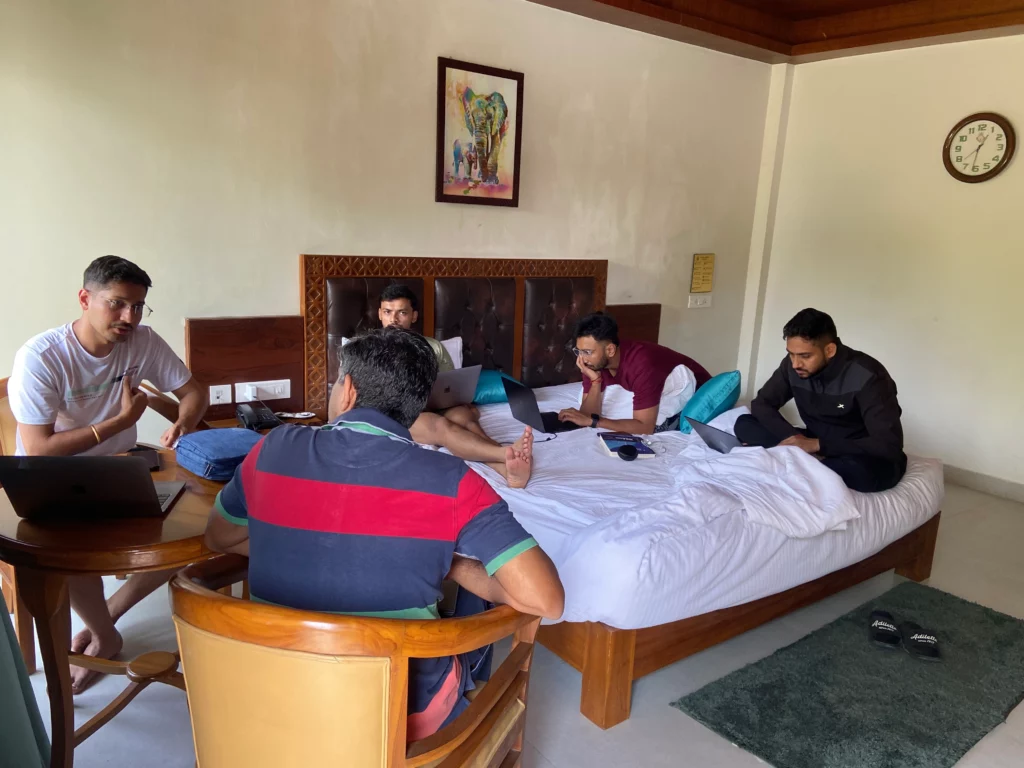
A change in backdrop can change the way we think. Our workcations are living proof of that. Fresh ideas often crystallize during discussions, tea breaks, or long casual walks. The shift in setting and the relaxed approach sets the tone for sharing ideas without inhibition.
A workcation also creates a comfort zone among colleagues that lasts well beyond a week. People get to know who they’re working with. They get to see not just the roles, but the personalities. They connect on a personal level, sharing likes and dislikes, hobbies, stories, gossip, and more. Eventually, inhibitions fade, and the sharing of ideas becomes effortless. This lays the cornerstone for innovation. In fact, many of the teams use Workcation to unplug, think deeply, and plan the next chapter together.
It creates a space to re-align
A week in the mountains or by the sea isn’t just a refreshing escape— It’s a space to pause, breathe, and ask: “Are we still solving the right problems?” These moments of collective reflection help teams realign their focus, remove the noise, and set a renewed rhythm for the road ahead.
Workation is a perfect platform for managers to realign the team priorities and look at the Big Picture together. A casual coffee chat might lead to a deep conversation about how things should be, what changes to bring in, and how we can improve things.
Our workcation survey proves our hypothesis. Around 91% confirmed that they had work-related goals and successfully achieved them during the workcation.
It builds the 3Rs – Resilience, Reliability and Relationships
Workcations aren’t always postcard-perfect. Flights get delayed, plans go awry, and sometimes a teammate falls sick. But it’s in these unplanned moments that the true fabric of teamwork is revealed.
Imagine a sudden downpour on the last day of a trip, laptops packed, but the team still gathers under one roof, ordering food, sharing stories, helping one another. That’s when workcation magic truly happens: the shift from “me” to “we.”
These shared experiences, both the sunshine and the storms, build bonds no virtual meeting ever can. It’s like climbing a hill together: you may stumble or stop to catch your breath, but when you reach the top, the view feels more rewarding because you didn’t do it alone.
They create memories
If alignment brings clarity and challenges build resilience, memories create belonging. And in any great team, belonging is the invisible glue that keeps everything together.
Think of it like a photo album for the soul, snapshots of laughter, chaos, and camaraderie that stay long after the Wi-Fi disconnects. The inside jokes, travel mishaps, late-night “addas,” funny reels, impromptu video blogs, and endless selfies, they all become part of your team’s folklore. You may forget the sprint goals of that quarter, but you’ll always remember the night everyone laughed until their sides hurt.
These shared moments do more than fill memory cards; they build psychological safety. People open up more easily when they feel connected, understood, and seen. The hesitance fades, the trust deepens, and collaboration feels effortless.
In short
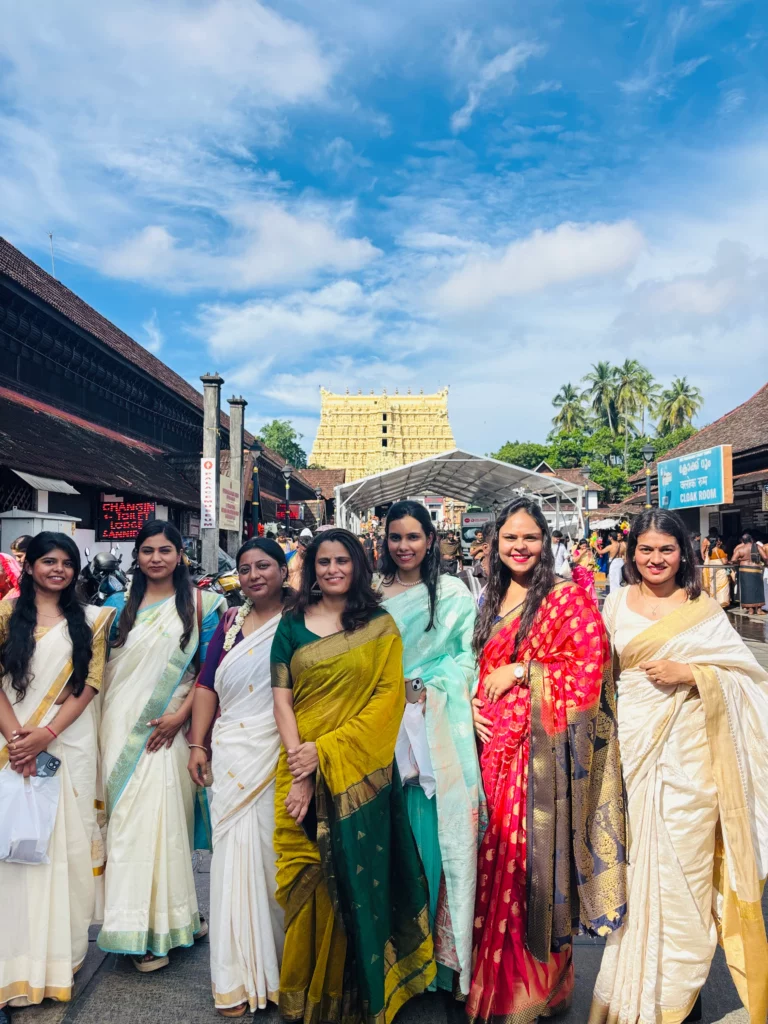
Workcations can redefine how we expect teams to bond, not through enforced team-building activities, but by letting people choose how they want to be together, on their own terms. For HR professionals like us, who have long been exploring ways to rebuild trust, belonging, and ownership in a world dominated by Zoom, Teams, and Slack, perhaps we’ve found an option worth exploring.
Of course, a lot goes into making it work, from thoughtful design to clear outcomes, and the willingness to continuously improvise. After all, this isn’t just an HR intervention, it’s a strategic investment in culture and connection.
But that’s a story for another day, or maybe, another blog.